Cleveland Top Roofing Company for Metal Roofs
The Essential Guide to Roofing: What Every Homeowner Should Know
Homeowners often overlook the significance of a carefully maintained roof. Recognizing when repair or replacement is necessary can prevent costly expenses. Various roofing materials offer different benefits, and routine inspections play a vital role in extending a roof's lifespan. As weather conditions exert constant pressure on roofing systems, knowing how to choose a reliable contractor becomes critical. What are the most important indicators of a deteriorating roof, and how can homeowners guarantee they make informed decisions?
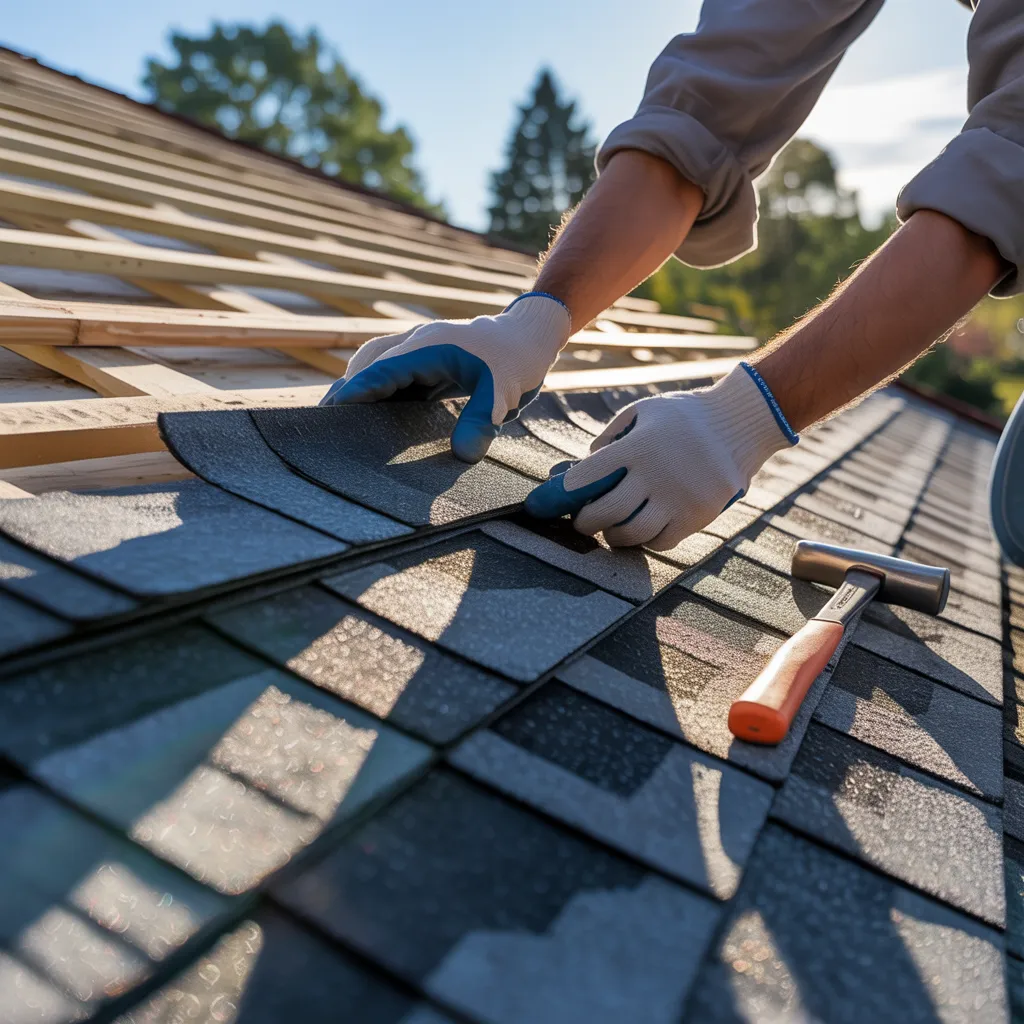
Warning Signs Your Roof Needs Repair or Replacement?
What are the ways homeowners can tell when their roof needs repair or replacement? Indications of damage can appear in a number of ways. Homeowners should look for missing, cracked, or curling shingles, as these indicate potential vulnerability. Moreover, stains or discoloration found on ceilings or walls may be an indication of leaks, underscoring the need for urgent attention.
An additional key warning sign is granule loss, frequently noticeable in gutters; this can deteriorate the roof's defensive layer. Residents should be on the lookout for areas that appear to sag, which may point to serious structural concerns. Regularly checking the attic for daylight peeking through the roof boards can expose potential gaps.
Ultimately, the condition of the roof plays a significant role; roofs commonly endure for 20 to 30 years. If a roof approaches this expected duration and exhibits evidence of aging, replacement may be necessary. By being observant and acting in advance, homeowners can confirm their roofs stay structurally sound and safeguard their properties.
Exploring Various Roofing Materials
Familiarizing yourself with different roofing materials is crucial for homeowners aiming to make educated selections. Asphalt shingles represent a common and affordable choice, while metal roofing presents advantages in durability and energy efficiency. Moreover, tile roofing is celebrated for its attractive appearance and extended lifespan, making it an important factor for many to consider.
Asphalt Shingles Overview
Asphalt shingles are a favored option for many homeowners due to their affordability and versatility. Offered in a wide range of colors and styles, they can enhance a variety of architectural styles. Typically composed of a fiberglass mat coated with asphalt and mineral granules, these shingles offer durability and resistance to weather elements. They can be installed with relative ease, making them an appealing selection for contractors and do-it-yourself homeowners alike. Asphalt shingles are offered in two key varieties: organic and fiberglass, each offering unique advantages and varying lifespans. While they generally last 15 to 30 years, proper installation and maintenance can greatly enhance their longevity. Consequently, asphalt shingles continue to be a dependable and affordable roofing option for numerous homes.
Advantages of Metal Roofing
Metal roofing systems have risen in popularity with homeowners seeking a durable and long-lasting substitute for standard roofing materials like asphalt shingles. Its lightweight nature reduces structural load, making it ideal for many different types of buildings. In addition, metal roofs are celebrated for their exceptional resistance to extreme weather conditions, including strong winds, heavy snowfall, and torrential rain. They also provide excellent energy efficiency, deflecting solar radiation and lowering energy bills. A major advantage is their durability, often lasting 40 years or more with very little maintenance required. Additionally, metal roofing is an eco-conscious choice; a wide variety of products are crafted from recycled materials and are recyclable at the end of their useful life. These advantages render metal roofing an appealing choice for contemporary property owners prioritizing sustainability and durability.
Tile Roofing Benefits
Tile roofing is recognized as a popular choice for homeowners looking for a mix of attractive design and resilience. Its distinctive appearance , offered in a wide range of styles and hues, enhances a home's character while offering impressive durability. Tile roofs are capable of enduring harsh weather elements, including high winds and heavy rain, making them ideal for a variety of climates. Additionally, they offer excellent thermal insulation, promoting improved energy performance and cutting down on heating and cooling expenditures. Care and maintenance are fairly manageable, necessitating routine inspections and cleaning to avoid the accumulation of debris. Furthermore, tile roofing provides fire resistance and can last for decades, frequently surpassing the lifespan of other roofing materials. Overall, this array of benefits makes tile roofing an attractive solution for thoughtful homeowners.
Key Roof Maintenance Strategies for Long-Lasting Performance
Though roof maintenance is often overlooked by homeowners, routine upkeep is essential for prolonging the life of a roof. Routine inspections play an essential role in identifying potential issues before they escalate. Homeowners are advised to inspect for cracked or missing shingles, with special focus on the areas surrounding chimneys and vents. Cleaning gutters is another important task; blocked gutters may result in water damage and the development of mold.
In addition, clearing away debris, including leaves and branches, from the roof minimizes moisture accumulation. It is also important for homeowners to ensure that their attic has proper ventilation, as good airflow lowers the chances of heat and moisture buildup. Removing overhanging branches can reduce the chance of storm-related damage and keep leaves from piling up. Last but not least, scheduling professional inspections every few years can provide expert insight and confirm that minor repairs are addressed promptly. Following these maintenance tips will contribute considerably to the lifespan and overall function of a roof.
How Weather Impacts Your Roof's Integrity
Meteorological conditions considerably influences a rooftop's complete guide integrity, affecting materials and overall performance over time. Extreme temperatures can prompt roofing materials to expand and contract, leading to cracks and other forms of deterioration. Heavy rainfall can exacerbate these issues, as pooling water may infiltrate seams and joints, resulting in moisture intrusion and structural damage. Moreover, strong winds can dislodge shingles or tiles, leaving underlying layers exposed to additional weather-related damage.
Snow and ice create another challenge; as they build up, they add weight and can create structural stress. Melting snow can lead to ice dam formation, which impedes proper drainage and elevates the risk of leaks. In addition, ultraviolet (UV) radiation from the sun can degrade roofing materials, particularly asphalt shingles. Understanding these weather-related impacts enables homeowners to proactively maintain their roofs, guaranteeing longevity and resilience against the elements. Routine inspections and prompt repairs can reduce damage and preserve overall roof integrity.
How to Select the Best Roofing Contractor
Picking the best roofing contractor is crucial for achieving a successful project. Home owners should begin by validating the contractor's licenses and credentials, as well as evaluating their knowledge and skill in the profession. This diligent assessment helps in making an well-considered decision that can impact the standard and durability of the roofing system.
Verify Credentials And Licenses
Verifying the qualifications and certifications of a roofing contractor is essential for homeowners seeking quality workmanship and peace of mind. A credentialed professional shows adherence to regional requirements and professional guidelines, indicating they possess the necessary skills and knowledge. Property owners ought to ask for licensing documentation, making certain it is up to date and accepted in their state or locality. Additionally, checking for insurance coverage protects homeowners from liability should any accidents or damage occur throughout the roofing work. Credentials from reputable professional associations further affirm a contractor's expertise and commitment to best practices. Performing comprehensive research, such as reviewing feedback and requesting references, can help homeowners make informed decisions when selecting a roofing professional.
Examine Experience And Expertise
How can homeowners guarantee they choose a roofing contractor with the right experience and expertise? Initially, they ought to search for contractors who present a robust portfolio demonstrating a range of completed work. An experienced contractor generally maintains a track record of successful installations and repairs, reflecting their dependability. Moreover, reviewing industry credentials and associations with well-regarded organizations can suggest a strong commitment to professional quality standards. Homeowners are also encouraged to request references from past clients, enabling them to assess overall satisfaction and work quality. Arranging interviews can also shed light on the contractor's working approach, style of communication, and capacity for solving problems. At the end of the day, hiring a contractor with considerable experience and specialized expertise ensures that a roofing project is carried out effectively and professionally, securing the homeowner's financial investment.
The Importance of Roofing Inspections?
Roofing assessments are vital for upholding the structural integrity of a residence, as they can identify potential issues before they escalate into costly repairs. Periodic evaluations enable homeowners to discover concerns like water leaks, compromised shingles, and structural deficiencies. These assessments not only extend the lifespan of the roof but also enhance overall home safety and comfort.
Professional inspectors are trained to spot signs that may be invisible to untrained eyes, such as dampness buildup or insufficient airflow. Addressing these issues early can prevent more severe damage and guarantee compliance with local building codes. Furthermore, scheduled inspections can assist homeowners in readying their properties for harsh weather conditions, lowering the likelihood of considerable storm damage.
Key Considerations for Roofing and Energy Efficiency
Although many homeowners tend to ignore how roofing affects energy efficiency, the selection of materials and design serves a vital function in regulating temperature and reducing energy costs. Materials like metal, tile, and reflective shingles can significantly improve insulation, maintaining cooler homes during summer and warmer homes during winter. Additionally, the color of the roofing can influence heat absorption; lighter tones deflect sunlight, while darker colors draw in heat, possibly causing a rise in energy costs.
Sufficient airflow is another key consideration, allowing heat to escape in warmer months and reducing the risk of moisture retention. Homeowners should also consider the roof pitch and configuration, which can influence air circulation and insulation efficiency. In the end, choosing energy-efficient roofing materials not only promotes a more pleasant home atmosphere but can also result in significant reductions in energy costs over time, making it an excellent investment for homeowners embarking on a roofing project.
Frequent Roofing Myths Dispelled
What misconceptions do many homeowners hold about roofing? A common misconception is that a roof replacement is not needed when no obvious leaks are present. In fact, underlying damage can cause major complications as time goes on. A further common assumption is that every roofing material performs equally in terms of longevity. The reality is that various materials differ in their longevity and upkeep requirements. Some homeowners also think that a roof can be installed over an existing one to save costs; yet this approach can lock in moisture and cause far greater issues down the line. Additionally, many believe that a dark roof will always absorb more heat, but reflective roofing options can mitigate this. To conclude, there are those who believe roofing installations can be carried out in any type of weather, a notion that can jeopardize both workmanship and worker safety. Dispelling these misconceptions is vital for homeowners who want to make well-informed choices about their roofing requirements.
Frequently Asked Questions
What Is the Average Lifespan of a Standard Roof?
A standard roof survives between 20 to 50 years, based on materials, installation quality, and maintenance. Elements such as climate and weather exposure additionally impact longevity, making periodic inspections necessary for peak performance and lifespan.
What Actions Should I Take Following a Storm?
In the aftermath of a storm, homeowners should inspect their roofs for signs of damage, check for water intrusion inside, record any problems with pictures, and get in touch with a certified roofing expert for a complete assessment and necessary repairs.
Is It Possible to Install a New Roof Over an Existing One?
Absolutely, a new roof could be added over an old one, given that the existing structure is sound. Nevertheless, local building codes can establish restrictions, and proper ventilation must be guaranteed to eliminate future concerns.
How Do I Know if My Roof Is Under Warranty?
To establish whether a roof has warranty coverage, one should check the original purchase documents, reach out to the manufacturer, or consult the contractor who installed it. Warranty terms generally differ depending on materials and installation details.
What Are the Indicators of a Bad Installation?
Indicators of substandard installation include improper flashing, visible gaps, water leaks, uneven shingles, and excessive granule loss. In addition, roofing materials may warp or buckle, signaling insufficient fastening or inadequate ventilation, weakening the overall integrity of the roof.